


Gaming has evolved remarkably over the past decade, and so have the ways we store and access our games. If you’ve ever found yourself running out of storage space or wished for a more flexible gaming setup, playing games from NAS (Network-Attached Storage) cloud might just be your ideal solution. Whether you’re a casual gamer or a hardcore enthusiast, this guide will walk you through the process of setting up and playing games from NAS cloud storage. Check out Masuk AGENDADU to know more
NAS, short for Network-Attached Storage, is essentially a dedicated file storage device that connects to your home or office network. It allows multiple users and devices to store and retrieve data from a centralized location. But why should gamers care about NAS? Here’s why:
Storage Expansion
In today’s gaming world, where games can easily occupy tens or even hundreds of gigabytes, storage space quickly becomes a premium. NAS provides an elegant solution by offering a centralized storage hub with scalable options. You can start with a modest amount of storage and expand as your game library grows, ensuring you never run out of space. Additionally, NAS devices often support multiple drives, allowing you to customize your storage configuration to suit your needs.
Accessibility
One of the standout benefits of using NAS for gaming is the accessibility it offers. With your games stored on a NAS, you can access them from any device connected to your network. This means you can switch between different gaming setups or devices without the hassle of transferring game files. Whether you’re gaming on a PC, console, or even a mobile device, your games are just a click away, ready to play whenever you are.
Data Safety
Data safety is paramount for any gamer, and NAS devices shine in this area. Most NAS systems come with built-in data redundancy features, such as RAID configurations, which protect your data in case of a drive failure. This means that even if one drive fails, your games and data remain safe and accessible. Moreover, many NAS devices offer options for automatic backups and cloud synchronization, adding an extra layer of security and peace of mind.
Setting Up Your NAS for Gaming
Getting started with NAS might seem daunting, but it’s simpler than you think. Here’s a step-by-step guide to help you configure your NAS for gaming.
Step 1: Choosing the Right NAS
Before you dive into setting up, you need to choose the right NAS device. Here are a few things to consider:
Performance
When selecting a NAS for gaming, performance is a critical factor. Look for a NAS with a powerful processor and ample RAM to handle gaming data efficiently. A robust processor ensures smooth data streaming and quick access to your games, while sufficient RAM helps in caching frequently accessed data for faster performance. Some NAS devices are specifically designed for multimedia and gaming, offering enhanced processing power to meet these demands.
Capacity
Capacity is another crucial consideration. Choose a NAS with enough storage bays to accommodate your gaming library. Opt for expandable options if possible, allowing you to add more drives as needed. Consider the types of drives you want to use, such as SSDs for faster load times or traditional HDDs for larger capacity. Balancing speed and storage capacity will depend on your gaming habits and future needs.
Connectivity
Ensure your NAS has high-speed Ethernet ports for fast data transfer rates, which is crucial for gaming. Gigabit Ethernet is the standard, but if possible, consider NAS devices with 10 Gigabit Ethernet for even faster data transfer. Additionally, some NAS devices offer Wi-Fi connectivity, which can be useful for wireless streaming, but for optimal performance, wired connections are recommended.
Step 2: Setting Up Your NAS
Once you’ve chosen your NAS, it’s time to set it up:
Unbox and Connect
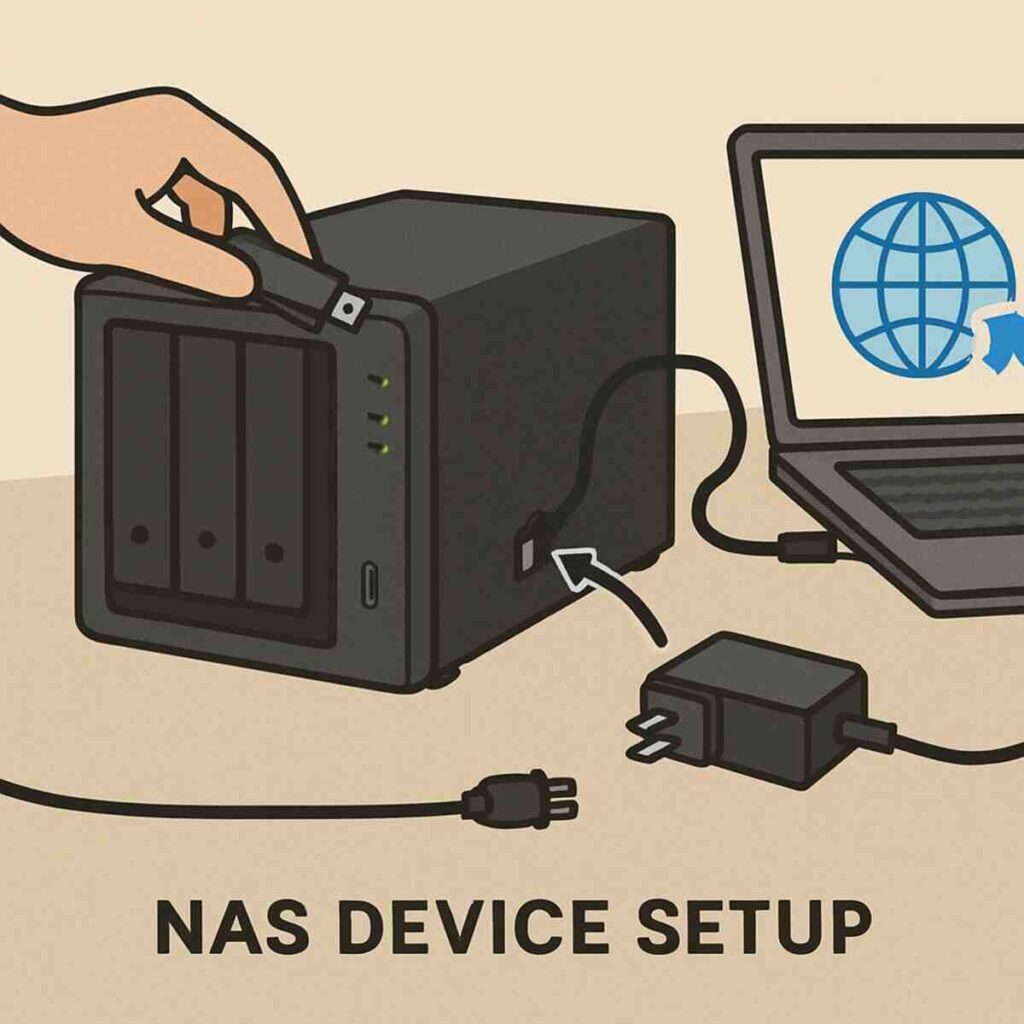
The first step in setting up your NAS is to unbox and connect it properly. Place your NAS device in a safe, ventilated area to ensure it operates efficiently and does not overheat. Connect it to your network using an Ethernet cable. It’s important to use a high-quality cable to ensure stable and fast connections, especially if you’re planning to stream games.
Install Drives
The next step is to install drives into the NAS bays. Follow the manufacturer’s guidelines for this step, as different NAS models may have specific instructions. Carefully insert each drive into its respective bay, ensuring a secure fit. Once installed, the NAS will typically prompt you to format the drives and configure them for use, often allowing you to select a RAID setup for data redundancy.
Power Up and Initial Configuration
After installing the drives, power up your NAS and wait for it to boot up. This might take a few minutes. Once powered up, access your NAS dashboard via a web browser using the default IP address. The setup wizard will guide you through the initial configuration, including network configuration, RAID setup, and user accounts. Taking the time to correctly configure your NAS from the start will save you time and headaches later on.
Step 3: Installing Game Clients on NAS
Now that your NAS is up and running, it’s time to install your game clients:
Steam
For Steam users, integrating your NAS with your game library is straightforward. Navigate to your Steam settings and add a new library folder. Select your NAS drive as the location. This allows you to store and access your games directly from the NAS, freeing up valuable space on your local drives. Remember to adjust your download settings to optimize performance when accessing games over the network.
Other Clients
For other game clients like Origin, Epic Games, or GOG, the process is similar. Look for the library or installation settings to change the location to your NAS drive. Each client may have slightly different steps, but the general process involves pointing the client to your NAS as the primary storage location. This setup ensures a seamless experience across different gaming platforms.
Configuration Tips
While setting up your game clients, it’s important to configure them for optimal performance. Ensure that your NAS is set as the primary download location and verify that any game updates are directed to this location as well. Regularly check for client updates and NAS firmware updates to ensure compatibility and maintain performance.
Step 4: Accessing Games from NAS
With everything set up, accessing and playing games from your NAS is a breeze:
Connect Devices
Ensure your gaming PC or console is connected to the same network as your NAS. For the best performance, use wired connections to reduce latency and ensure a stable connection. This is especially important for data-intensive games or those that require fast streaming speeds. If you must use Wi-Fi, ensure your network is optimized for gaming.
Launch the Game
Open your game client and navigate to the game library. Select the game you want to play and hit ‘Play’. The game will stream from your NAS directly to your device. Thanks to the network setup, you’ll experience minimal lag and quick load times, similar to playing games stored on a local drive. This setup offers the flexibility to play your games anytime, anywhere, without being tied to a single device.
Troubleshooting Connectivity
If you encounter issues while accessing games from your NAS, double-check your network settings. Ensure there are no IP conflicts and that your NAS is visible on the network. Occasionally, firewalls or security software can block access, so check these settings if you experience connectivity problems.
Maximizing Performance

Playing games from NAS involves streaming data over the network, so optimizing performance is crucial. Here are some tips:
Upgrade to a Gigabit Network
If you haven’t already, upgrading to a gigabit network can significantly improve data transfer speeds. A gigabit network provides the necessary bandwidth to stream large game files without interruptions, reducing load times and enhancing the overall gaming experience. If possible, use CAT6 or CAT7 Ethernet cables to ensure you’re getting the full benefit of a gigabit connection.
Use Wired Connections
Whenever possible, use wired Ethernet connections instead of Wi-Fi to reduce latency and improve stability. Wired connections offer consistent speeds and lower latency, which is essential for online gaming or streaming high-resolution games. If your setup requires Wi-Fi, consider using a high-quality router with advanced features like Quality of Service (QoS) to prioritize gaming traffic.
Regular Maintenance
Regular maintenance of your NAS and gaming setup is vital for optimal performance. Keep your NAS firmware and game clients updated to ensure compatibility and security. Periodically check the health of your drives to prevent data loss and maintain performance. Also, consider defragmenting your drives if they are HDDs, as this can improve access times and overall efficiency.
Troubleshooting Common Issues
Sometimes things don’t go as planned. Here’s how to troubleshoot common issues when playing games from NAS.
Slow Loading Times
Check Network Speed
If you experience slow loading times, check your network speed to ensure it’s operating at optimal levels. Use network diagnostic tools to identify any bottlenecks or issues that may be affecting performance. Sometimes, a simple router reboot can resolve connectivity issues and improve speeds.
Optimize NAS Settings
Look for settings related to performance optimization in your NAS dashboard. Adjust cache settings or enable features like SSD caching, if available, to enhance performance. Some NAS devices offer performance tuning features that can help boost speeds and reduce latency.
File Organization
Organizing your game files can also impact loading times. Ensure that your game files are not fragmented across different drives, as this can slow down access times. Keeping your game library organized and consolidated can help improve performance.
Game Crashes
Update Drivers
Game crashes can often be attributed to outdated drivers. Ensure all drivers on your gaming PC or console are up-to-date, including graphics, network, and storage drivers. Keeping your drivers updated ensures compatibility with the latest game updates and reduces the risk of crashes.
Check Game Files
Verify the integrity of game files via the game client to ensure no files are corrupted. Most game clients offer a built-in tool for checking and repairing game files, which can resolve issues related to crashes or performance problems.
Monitor System Resources
Monitor your system resources while gaming to ensure your hardware is not being overtaxed. High CPU or memory usage can lead to crashes or slow performance. Adjust game settings to better match your system’s capabilities if you notice any resource-related issues.
The Future of Gaming Storage
As games become more demanding and libraries grow, flexible and scalable solutions like NAS are becoming increasingly popular. Cloud gaming is on the rise, and NAS provides a bridge between local storage and full cloud solutions, offering the best of both worlds.
Hybrid Solutions
In the future, we can expect to see more hybrid solutions that combine the benefits of NAS and cloud gaming. These systems will allow gamers to store their libraries locally while leveraging cloud services for processing and streaming. This hybrid approach offers flexibility and performance, catering to gamers’ diverse needs and preferences.
Increased Adoption
The adoption of NAS in gaming is likely to increase as more gamers recognize the benefits of centralized storage and data safety. As NAS devices become more affordable and user-friendly, they’ll become a staple in many gaming setups. Manufacturers are also expected to introduce more gaming-oriented NAS solutions, further driving adoption.
Technological Advancements
Technological advancements will continue to shape the future of gaming storage. Innovations in network technology, storage media, and data management will enhance the capabilities of NAS devices. As these technologies evolve, gamers can expect even faster speeds, larger capacities, and improved integration with gaming platforms.
In conclusion, playing games from NAS cloud storage not only frees up space but also provides a seamless gaming experience. With the right setup and a bit of know-how, you can enjoy your favorite games anytime, anywhere, without the storage headaches. So gear up, set up your NAS, and dive into the gaming world with newfound freedom!